They estimate it will still be a year or two before they can meet demand.
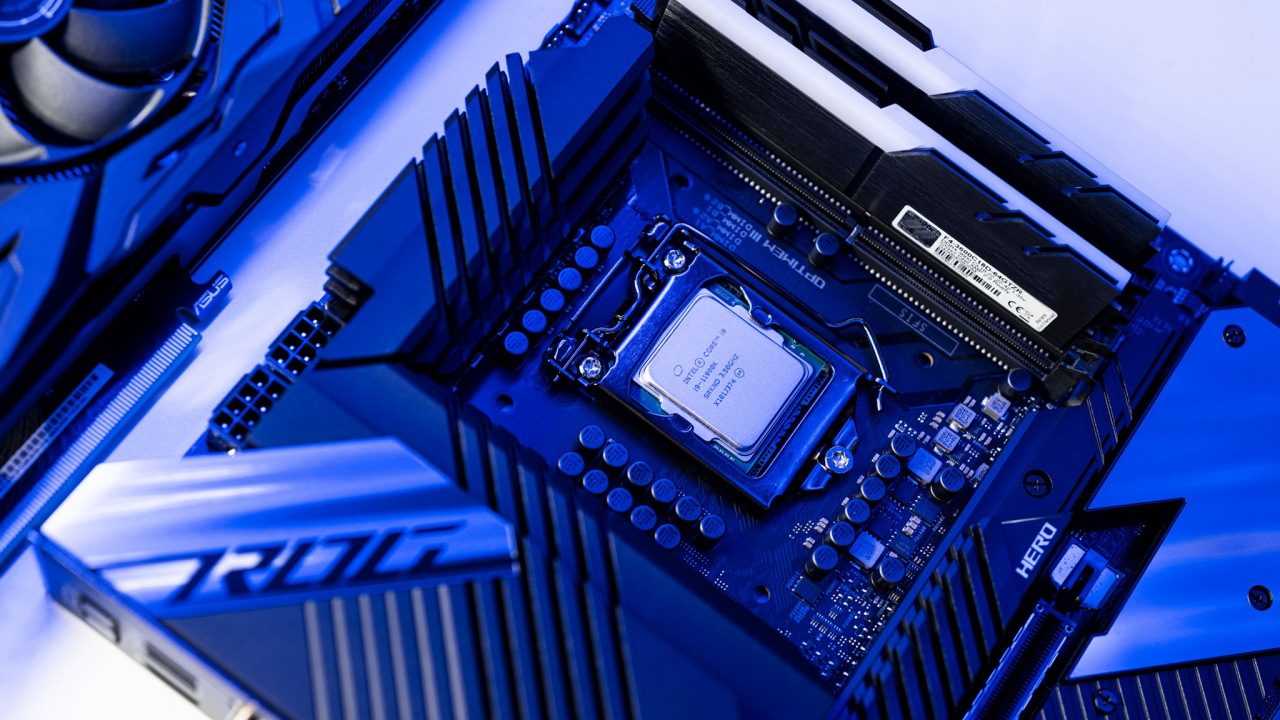
One way or another the video game industry has been seriously affected by the health crisis caused by the coronavirus, with several proposals postponing their release, but also with a significant reduction in the manufacture of consoles and graphics cards that has ended up causing shortages in stores. Fortunately, the situation seems to be getting back on track, although there is still a long way to go to get back to normal; even more so if we take into account the latest words of Intel’s president, Pat Gelsinger, who believes that the chip shortage could last until 2023.
In recent months the big companies in the sector had pointed to next year as a date to recover -more or less- normality. Sony, for example, already warned that it foresaw a lack of PS5 supply until 2022. But at Intel they are even more pessimistic. “While I expect the shortage to bottom out in the second half of the year, it will take between one and two years for the industry to be able to fully recover and will be able to meet the demand“, said Gelsinger.
Intel says it is investing in modernizing its factories in several countriesIntel claims that they are investing in modernizing their factories in countries like Israel, the United States or Ireland to “help mitigate these needs”. Other companies like Nintendo also commented just a few weeks ago that this crisis is preventing them from manufacturing as many Nintendo Switch as they would like. But this lack of semiconductors does not only affect the manufacture of consoles or graphics cards.
In recent days Final Fantasy 14 has experienced a beastly surge in popularity to the point of saturating its servers, and its director claimed that semiconductor supply problems prevented the Square Enix team from responding sooner with new data centers to handle the massive influx of players.


