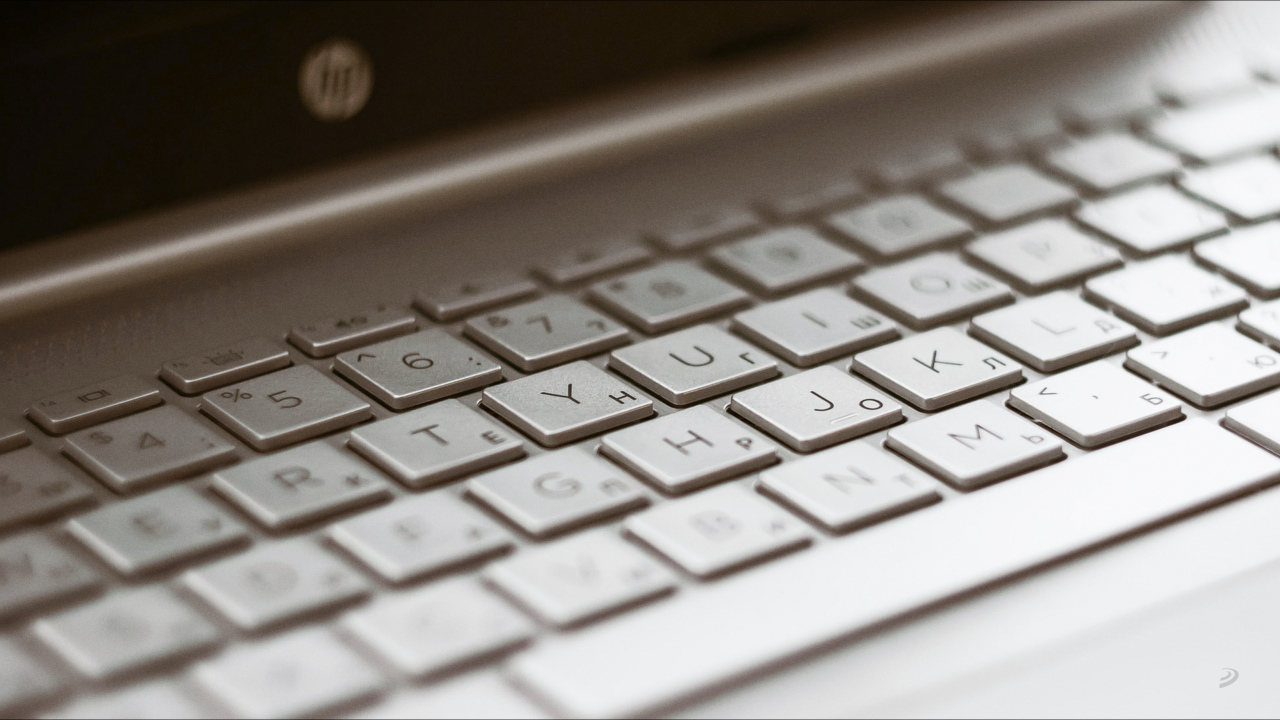
Imported peripherals and laptops are not adapted to Russian, and that hinders work in the country.
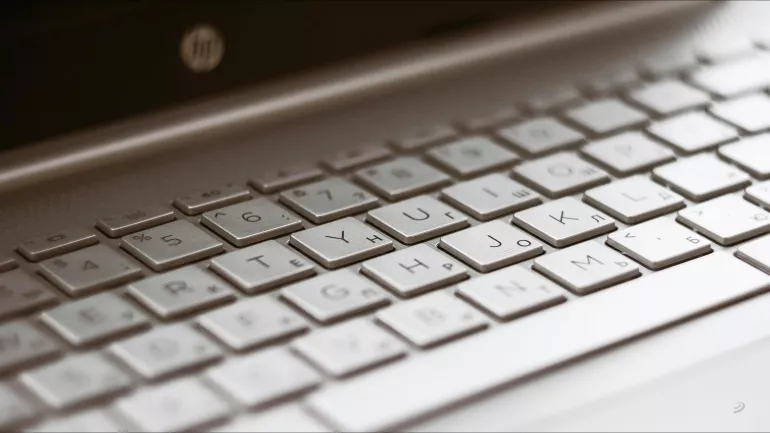
Russia continues to suffer the consequences of the economic sanctions imposed internationally by the Western axis even in the most anecdotal ways, such as the emerging shortage of Cyrillic keyboards that the country’s workers and PC users are facing (as reported by Kommersant). Since these measures were imposedThe Putin government launched a plan for parallel imports, but this solution is only a stopgap, and the laptops and peripherals that are arriving in the country are not being imported. are not prepared to write in Russian. To understand how Russia can legally wriggle out of sanctions, let us stop to study for a moment the concept of parallel imports.
For practical purposes, it is a system whereby even if a product cannot be sold in a country B through direct imports from country A, if it is sold in country Ccountry B can get hold of it. That is, Russia may not be able to import Apple products directly from the U.S., but can buy from China, Turkey or SerbiaThe problem? The keyboards that come to you from those countries do not have the Cyrillic layout.
Learning to type is a matter of practice and habit, like learning to play an instrument with all its keys and shapes, so you can imagine what a mismatch it is to be put to work with a keyboard that you are not used to. and that, directly, is in another alphabet. It is the step between typing without looking, flying through the switches, and seeing our fingers converted into dizzy ducks that fly over the keyboard before falling awkwardly.
This situation is causing workers from all over Russia the are having a hard time pursuing their professionsespecially in governmental settings, since officials or related employees must type on keyboards with the proper layout. However, of the two million keyboards that the federation has imported in the first half of 2022, none meet this requirement and end up being unusable as they arrive.
What is interesting is that this scenario is opening up the market for key customization, given that while keyboards in Turkish or Arabic do not display the Cyrillic alphabet, their layout is compatible with Russianso by simply modifying the keys, you have it. In fact, this, far from being a minority solution, is what is recommended by the same Russian Ministry of Industry and Trade.
Image | Eugenia Shustikova


